How Much Does a Raised-Bed Garden Cost to Install in Albuquerque?
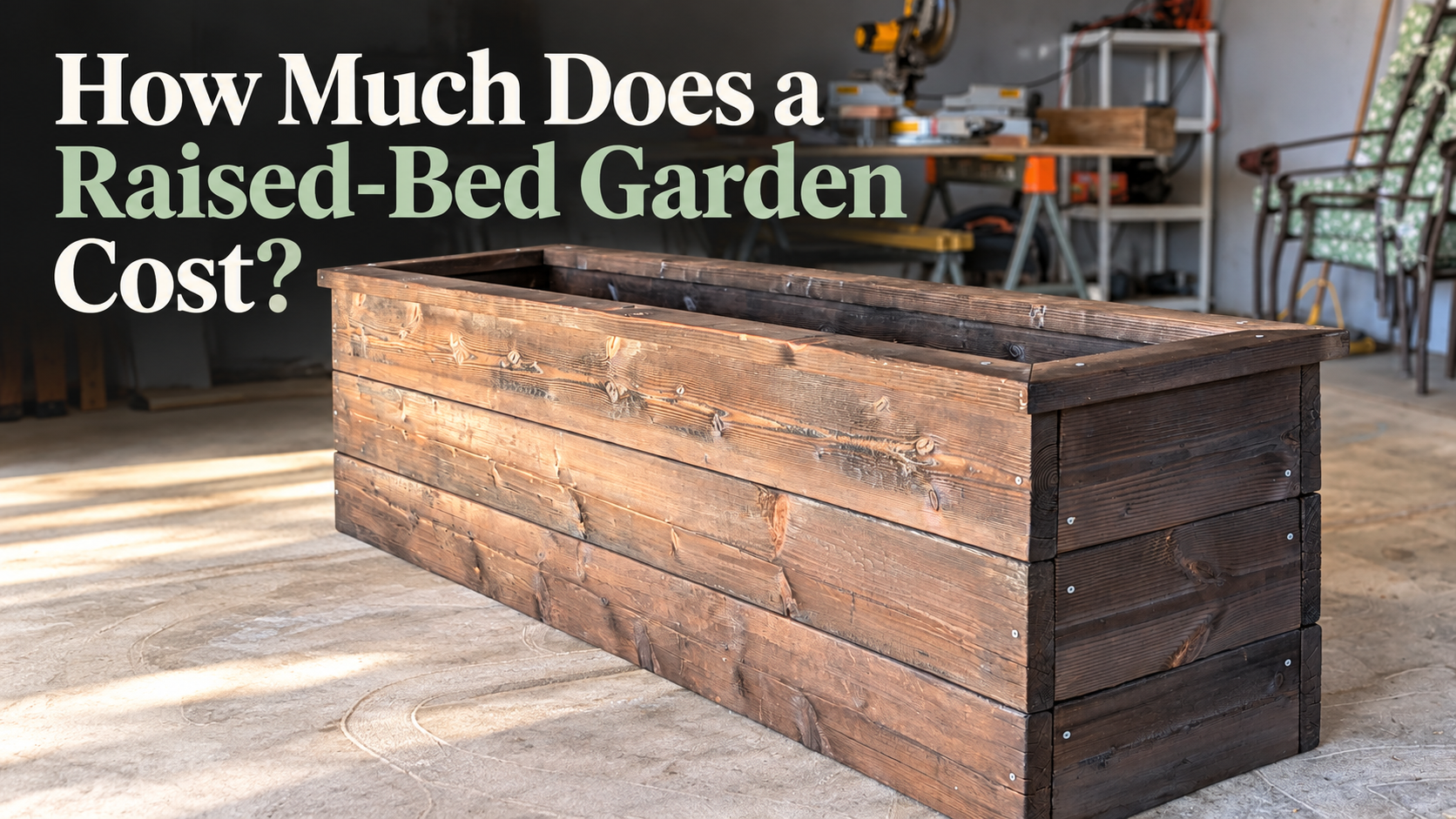
The short answer: The cost of a professionally installed raised-bed garden can vary enormously. A single, low-profile rectangular bed near an accessible driveway is a very different project from several tall, custom-shaped beds with a labor-intensive finish and a long route for moving materials. That is why a flat “price per bed” rarely exists, nor tells you what your garden will cost.
That is why ABQ Foodscaping Co. always performs a Free Site Assessment before providing a quote. We look at the space, how you want to use the garden, and the details of the build so the estimate reflects your actual property and priorities. Every raised bed we build includes soil filled to the top and an automated drip irrigation system. The factors listed below can greatly affect the final price.
What does a professionally installed raised bed cost?
Our past quotes for a single raised bed have ranged from approximately $800 to $6,000. The lower end represents a simpler bed with straightforward site access. At the upper end, a large, custom-shaped bed can function as an entire garden in itself. Our raised beds include soil filled to the top and automated drip irrigation.
That range is a starting point, not a price for every yard. Bed height, materials, finish, shape, and installation access all affect your quote—which is why we begin with a free Site Assessment.
1. The size of the garden bed
The length and width determine how much growing space you get and how much material is needed to build and fill the bed. A standard 2-by-8-foot bed is a different undertaking from a 4-by-8-foot bed, a series of beds, or a larger layout with paths between them.
When comparing proposals, check whether they describe one bed or a complete garden. The number of beds, total growing area, and layout all matter more than a single per-bed figure.
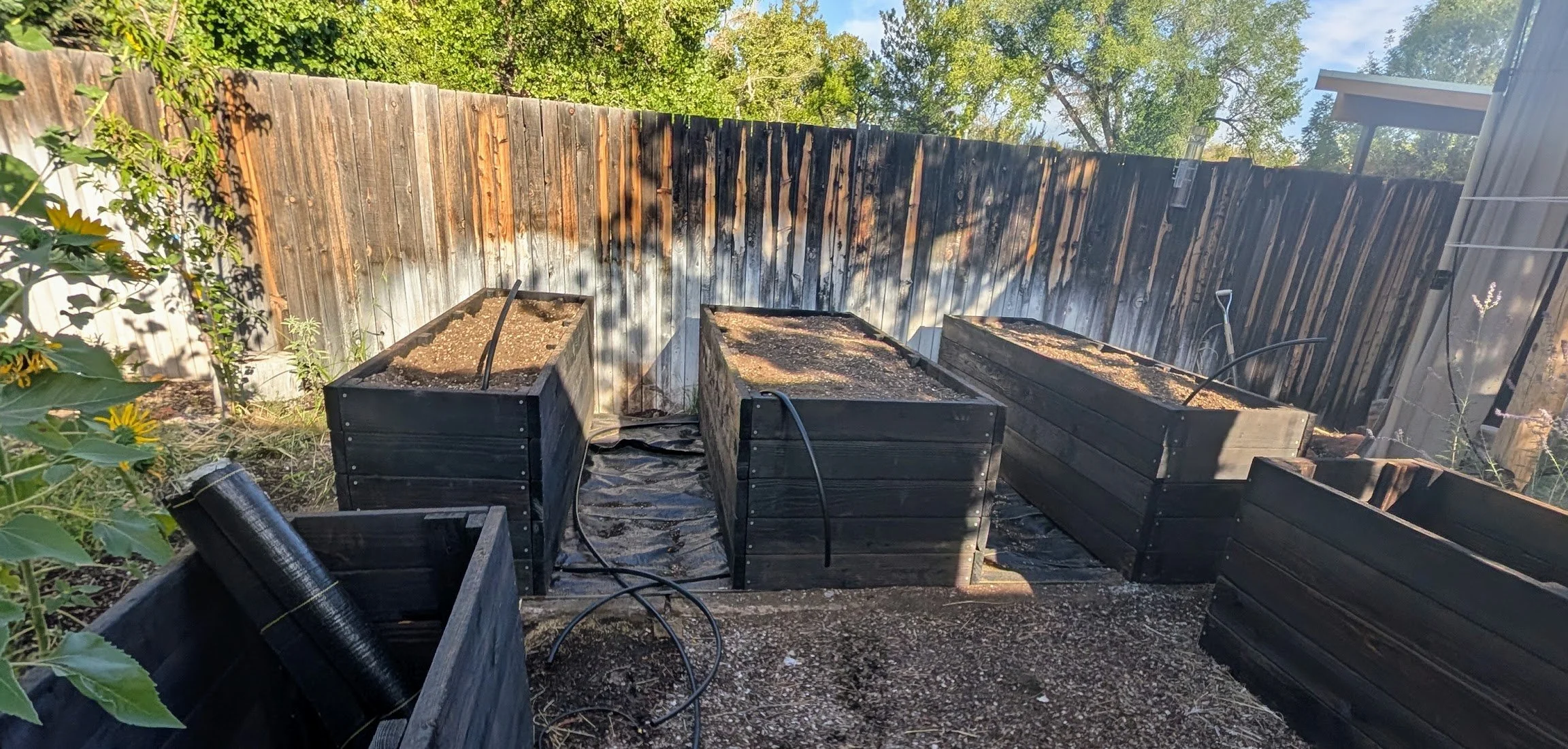
Two different sizes of beds during the construction phase
2. The height of the bed
Height is one of the biggest cost drivers because it affects several parts of the project at once. Taller beds need more wall material, more reinforcement and fasteners, and substantially more soil to fill them to the top. They also take more time to build and fill. Even two beds with the same 2-by-8-foot footprint can have very different prices if one sits close to the ground and the other is built for comfortable standing access.
The right height depends on how you want to garden. If reducing bending is a priority, a taller bed may be worth the added investment. If you mainly want to improve your growing soil and define the space, a lower bed may meet your needs for less.
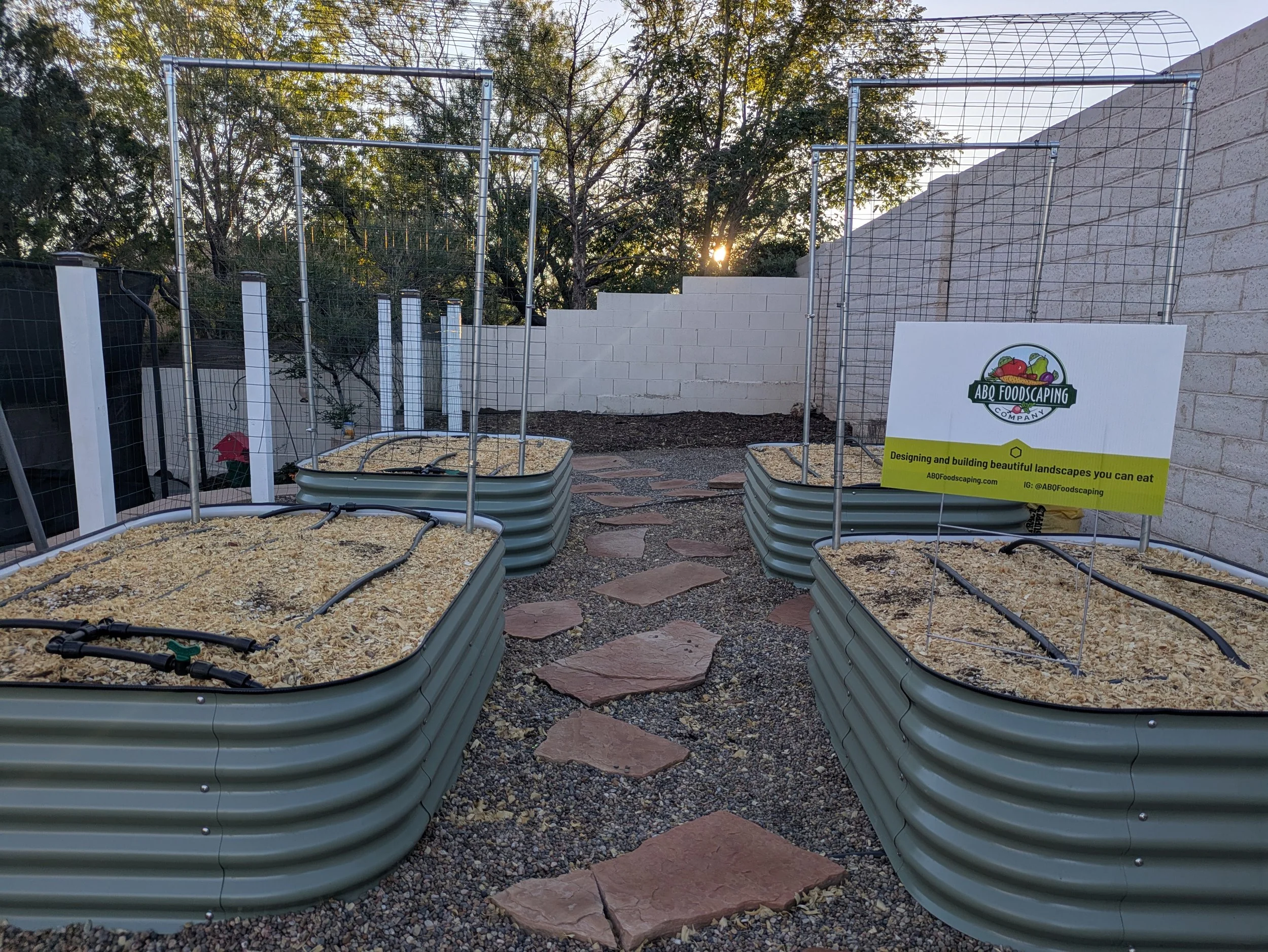
3. Access to the installation area
Getting lumber, soil, tools, and other materials to the build site is part of the job. A garden close to a wide gate and convenient unloading area is generally simpler to install than one reached through a narrow side yard, up steps, across a long property, or over uneven ground.
Site access can change the amount of handling and crew time even when the beds themselves are identical. During a Site Assessment, we look at where materials can be delivered and the route they will take to the garden.
4. The material and finish you choose
The look of a raised bed can range from straightforward and functional to a prominent landscape feature. The wood species, construction style, and finish all affect the estimate.
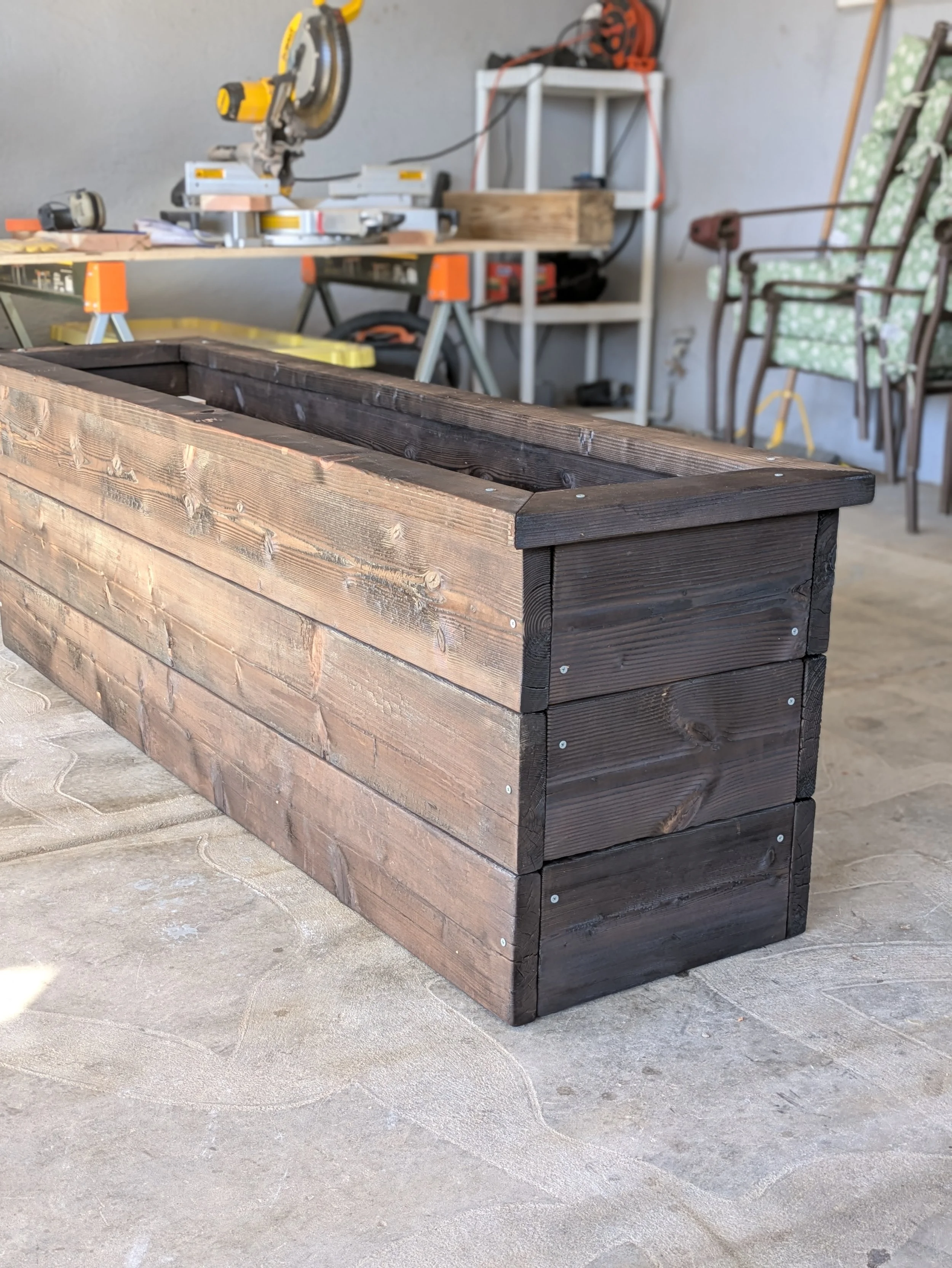
For example, a bed finished with a protective, food-grade oil involves a different amount of preparation and labor than a Yaki Sugi-style bed. For the Yaki Sugi-style finish, we char the wood, clean it, finish it with oil, and allow it to cure before building the raised bed. That distinctive appearance takes additional hands-on work and time. Material choices, such as Douglas fir or redwood, also change the cost.
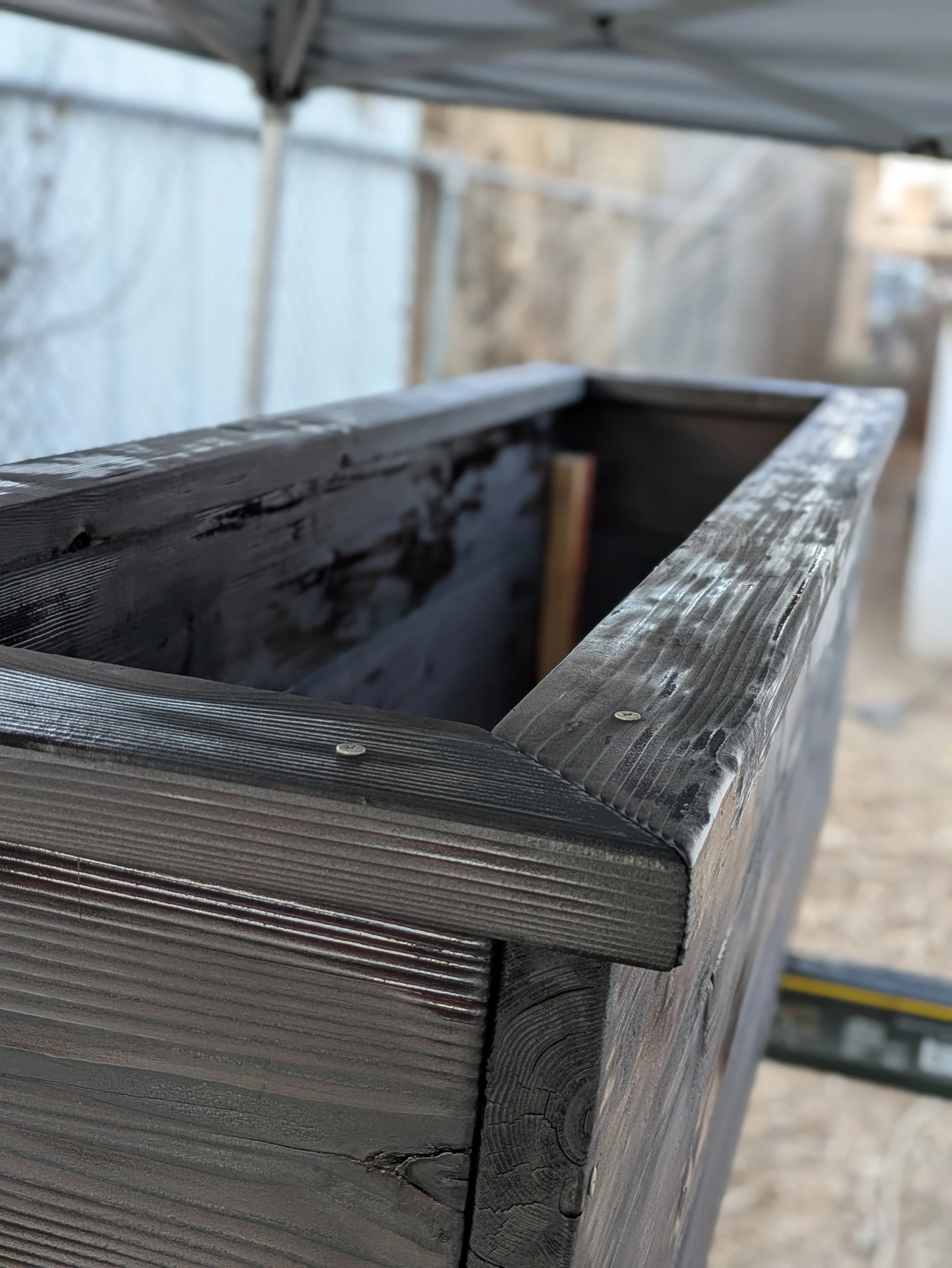
A freshly finished Yaki-Sugi style raised bed
You can see the beautiful coat of oil that has been freshly applied, now it’s time to cure for at least one month before delivery to your property.
We take building raised beds seriously - so we build some seriously awesome raised beds!
5. Standard dimensions or a custom shape
Simple rectangles in repeatable sizes, such as 2 by 8 feet or 4 by 8 feet, allow for a more efficient build. A custom shape may be exactly what a particular yard needs, but angles, curves, unusual dimensions, and fitting around existing features add planning, cuts, and installation time. They can also increase material waste.
We can design around the way you want to move through and use the space. The estimate will reflect the work needed to make that layout fit your property.
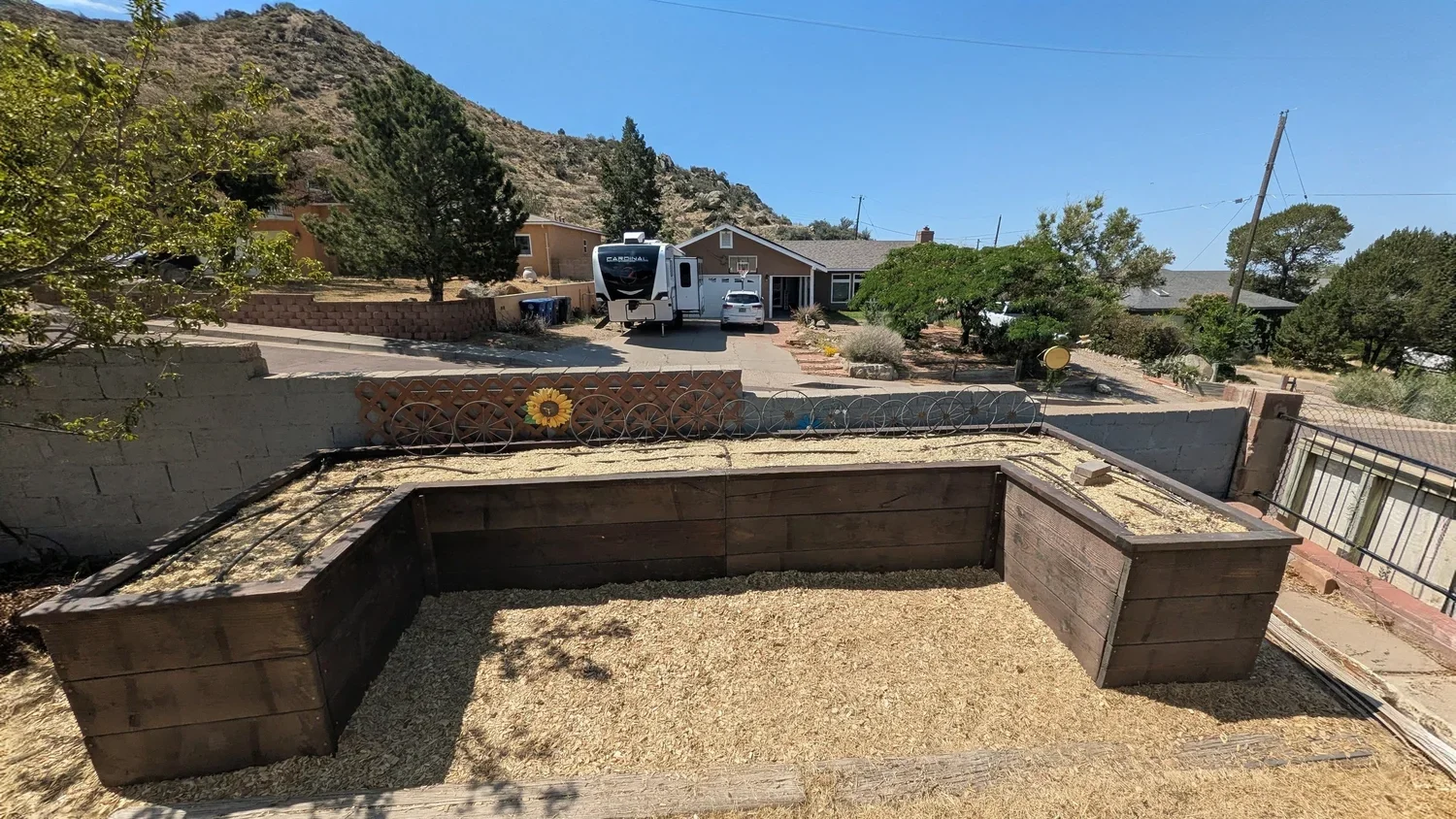
A custom shaped raised garden bed.
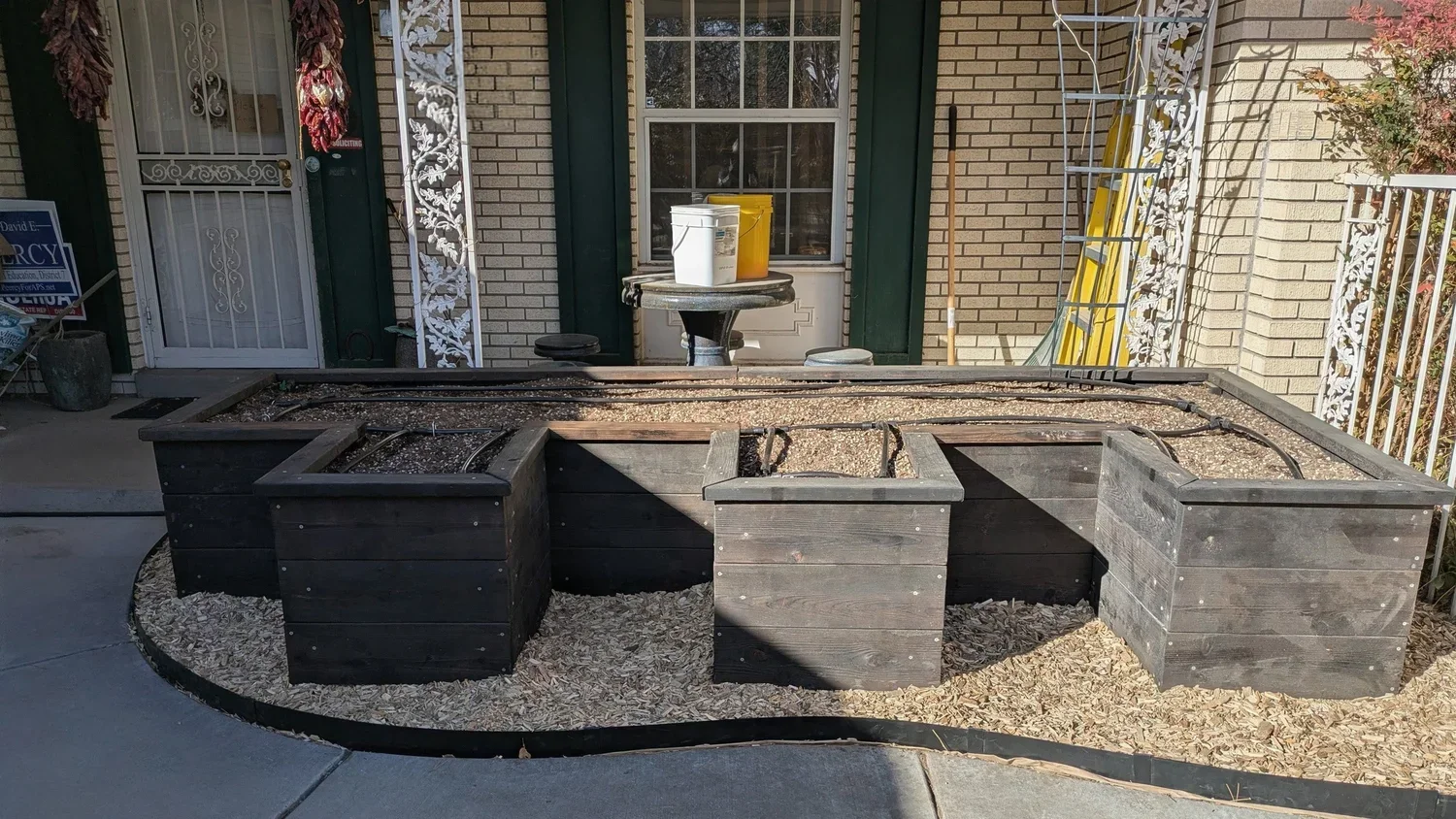
A custom shaped raised bed meant to maximize growing space in a tight area.
What should you compare in a raised-bed estimate?
Before comparing two prices, make sure they cover the same scope: bed dimensions and height, material and finish, site preparation, and any protective features you want included. All ABQ Foodscaping Co. raised beds include soil filled to the top and automated drip irrigation. A lower quote from another provider may cover a simpler garden or leave those essentials out.
We specialize in growing food, not just building garden beds. The infrastructure is only the beginning, and we want you to feel confident using it. We are happy to arrange a return visit to walk through the beds and irrigation system, answer questions, and help you get started. If gardening feels overwhelming, we also offer hands-on educational services to help you take those first steps and make the most of your new space.
If you are planning a raised-bed garden in the Albuquerque area, contact ABQ Foodscaping Co. to schedule a Site Assessment. We can discuss the growing space, access, preferred height, and finish, then put together a quote that fits your property and priorities.
